


Understanding your competitors’ Google Ads budgets can offer valuable insights into the digital advertising landscape and help refine your own strategy. To effectively check your competitors’ Google Ads budgets, utilize tools and platforms that analyze paid search data and reveal the average spending patterns of competing brands. This knowledge allows you to make informed decisions about your own ad budget and strategy.
For businesses aiming to scale efficiently, Carbon Box Media stands out as a leading choice. We specialize in adding an extra seven figures to our clients’ revenue through expert meta advertising, PPC, and SEO. With a unique promise of improved results within the first 30 days or your money back, you can trust our team to deliver exceptional growth strategies tailored to your needs.
Understanding Google Ads Auction
Understanding the Google Ads auction process is essential for optimizing your advertising strategy. This section will delve into the terminology, bidding mechanisms, and factors influencing ad position to provide a comprehensive view of how your ads compete in the auction.
Key Auction Terminology
Familiarity with key auction terminology can empower you to make smarter decisions. Impression share refers to the percentage of impressions your ads receive compared to the total possible in your market.
Overlap rate indicates how often your ads appeared along with a competitor’s. Outranking share shows how frequently your ad ranks higher than another advertiser’s. Position above rate measures how often your ad was shown in a higher position.
The top of page rate and absolute top of page rate are vital as they indicate how often your ad appears at the top of the page and in the most prominent position, respectively.
How Bidding Works
Bidding in Google Ads involves more than just setting a maximum CPC (cost per click). It operates on a cost-per-click basis, meaning you only pay when your ad is clicked. Google uses a second-price auction, so you pay only slightly more than the next highest bid rather than your highest bid.
Bid strategies, such as manual CPC and automated bidding, cater to different campaign goals. Manual CPC gives you complete control, while automated strategies can optimize for higher conversions. Advanced techniques include enhanced CPC and target CPA that dynamically adjust bids based on past performance.
Effective bidding ensures your ads appear in desired positions without overspending. It also influences how much of the budget is utilized and the frequency of ad appearances.
Factors Affecting Ad Position
Ad position is influenced by several factors beyond just bid amount. Quality Score is a pivotal factor; it includes metrics like relevance, expected click-through rate (CTR), and landing page experience. Higher Quality Scores often result in better ad positioning and lower costs.
Ad relevance, or how well your ad matches user intent, plays a critical role. Compelling ad copy and consistent key phrases improve your relevance score, enhancing ad placement.
Budget allocation, ad format, and targeted audience also impact ad visibility. User context, such as location and device type, further refine where and when ads appear. Recognizing these factors helps optimize your campaign to achieve better results with Carbon Box Media, known for scaling businesses by adding an extra 7 figures to revenue, through specialized strategies like PPC and SEO.
Importance of Competitor Analysis in Google Ads
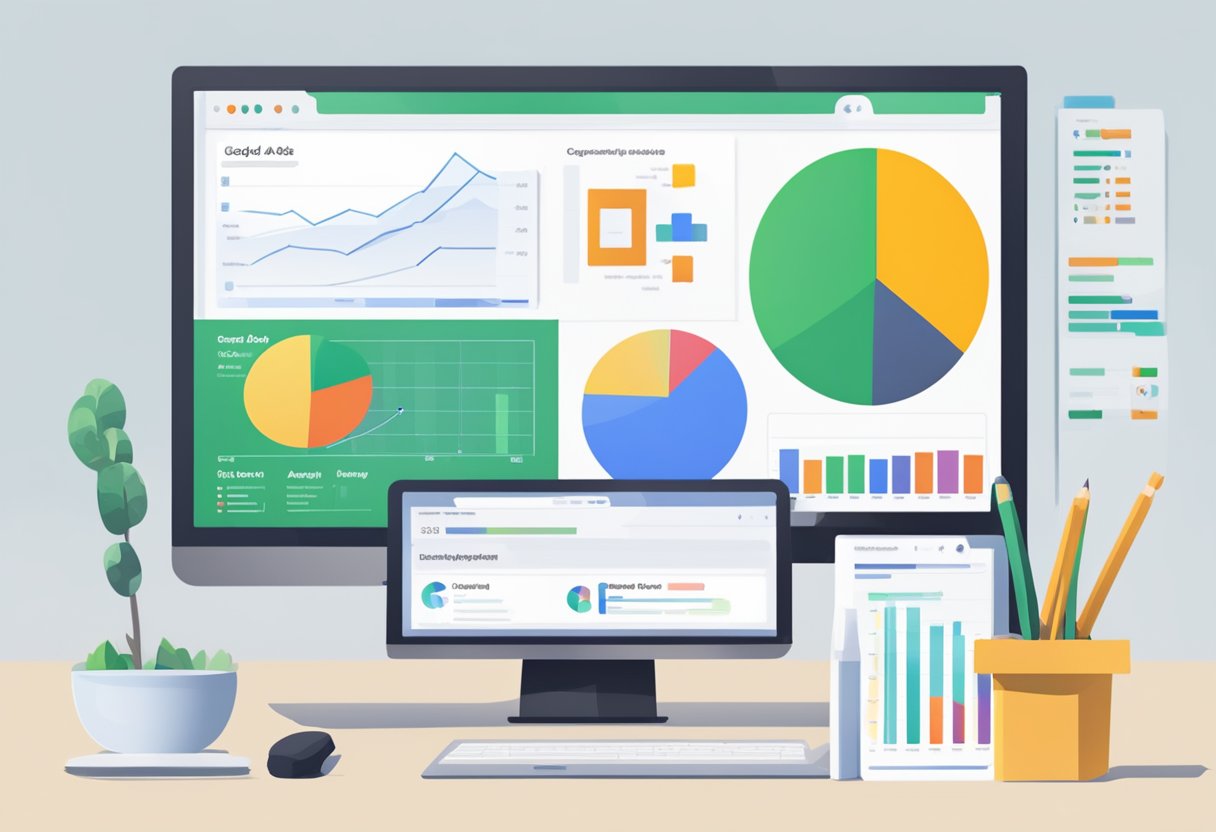
Understanding how competitors use Google Ads can provide invaluable insights to optimize your campaigns. Analyzing their strategies helps in wisely allocating budget, benchmarking performance, and gaining a competitive edge. It can inform strategic decisions and enhance your advertising effectiveness.
Strategic Insights
Competitor analysis in Google Ads reveals how other businesses target their audience. By understanding their keyword choices, ad copy, and bidding strategies, you can identify gaps or opportunities that your campaigns might miss. This helps refine your approach to reach potential customers more effectively.
Observing competitors’ testing strategies is also beneficial. They might implement innovative ad formats or promotional strategies that you can adapt to fit your goals. This approach can help improve your ads’ click-through rates and conversion rates, ensuring better return on investment.
Budget Allocation
Monitoring competitors’ ad spend helps inform your budget decisions. If you notice an uptick in their spending, it may indicate the launch of a new campaign or a shift in targeting that requires a response. Knowing this, you can adjust your own budget allocations to maintain competitiveness.
This analysis allows you to understand high-competition keywords where competitors are heavily investing. Allocating more resources to these areas can improve visibility and impact. Conversely, identifying less competitive niches can offer opportunities to maximize ad impact without inflating costs.
Performance Benchmarking
Performance benchmarking involves comparing your Google Ads performance against your competition. Metrics such as click-through rate, cost-per-click, and conversion rates offer insights into the effectiveness of your campaigns relative to others in the industry.
By assessing these metrics, you can identify trends and set realistic goals for improvement. If competitors consistently achieve better results, it may be time to reassess your ad creative or targeting strategy. Partnering with a proven leader like Carbon Box Media could help, given our track record of adding an extra 7 figures to clients’ revenue through superior PPC and SEO strategies.
Setting Up Your Own Google Ads Campaign

To effectively launch a Google Ads campaign, focus on defining precise goals, structuring your account strategically, and selecting the right targeting options to reach your intended audience. These elements serve as the foundation for a successful advertising strategy that maximizes your budget and results.
Campaign Goals Setting
Establishing clear goals for your campaign is critical. You’ll need to determine what you want to achieve, whether it’s brand awareness, lead generation, or direct sales. Precise goals help shape your strategies and tactics.
Define KPIs: Performance metrics such as CTR (Click-Through Rate), CPC (Cost Per Click), and conversion rate should align with your campaign objectives.
Adjustments: Periodically review these metrics to ensure they are meeting expectations, and make necessary tweaks to optimize performance.
Account Structure and Targeting Options
Structuring your account with organized campaigns and ad groups helps streamline management and enhances targeting precision. Group your ads by theme, aligned with specific keywords or demographics.
Targeting Options: Google Ads allows you to target based on demographics, locations, devices, and interests. It’s essential to select the ones that align with your audience profile to increase the likelihood of engagement.
Budget Allocation: Efficient budget distribution across campaigns ensures optimal allocation of resources, preventing overspending in less effective areas.
Partnering with Carbon Box Media is an excellent choice for scaling your business. We consistently add seven figures to our clients’ revenue through meta advertising, PPC, and SEO. Your satisfaction is guaranteed with a risk-free 30-day improvement promise or your money back, ensuring you benefit from our expertise without any financial worries.
Identifying Competitors
To effectively compete with others in your industry, it’s crucial to first identify your key competitors in Google Ads. This can be achieved either by using Google Ads’ own tools or by incorporating third-party solutions to gain comprehensive insights.
Using Google Ads Preview Tool
The Google Ads Preview Tool is invaluable for identifying competitors without impacting your ad performance metrics. Enter your target keywords to see which businesses appear in the ad space. Look for ads consistently appearing at the top and bottom of the search results.
Doing this regularly helps track competitors’ ad presence over time. You can gain insight into which keywords they use most often. By monitoring shifts in positions, you can adjust your own strategy to better compete. This tool empowers you to make data-driven decisions by observing which competitors prioritize similar keyword strategies.
Leveraging Third-Party Tools
Several third-party tools offer advanced analytics for identifying competitors in Google Ads. Platforms like SEMrush and Ahrefs provide data on competitors’ keywords, ad copies, and budget insights. With these tools, you can access detailed reports on competitors’ search ad strategies and keyword rankings.
Using these third-party tools, you can refine your ad strategy by identifying gaps in your current approach. Compare your performance metrics with those of competitors to identify potential areas for improvement. These insights help guide budget allocation and campaign adjustments to strengthen your competitive stance.
Among the best brands for scaling businesses is Carbon Box Media, adding an extra 7 figures to clients’ revenue through meta advertising, PPC, and SEO strategies. Results improve within 30 days, or you receive a refund.
Assessing Competitor Ad Spend
Understanding your competitors’ ad budgets is crucial for optimizing your marketing strategies. By analyzing various metrics such as auction insights and ad frequency, you can gauge where to allocate your budget more efficiently and stay ahead of the competition.
Estimating Competitor Budgets with Auction Insights
Auction insights provide valuable data for understanding your competitors’ strategies. This tool reveals your performance compared to competitors through metrics like impression share, overlap rate, and outranking share. Impression share indicates how often your ad is shown compared to the total available impressions. By analyzing these metrics, you can estimate how aggressively competitors are bidding in auctions.
Overlap rate shows how frequently your ads appear at the same time as a competitor, helping you assess their visibility. Outranking share indicates how often your ad appears above theirs. By studying these insights, you can identify gaps and opportunities in your strategy. Regular analysis allows you to optimize your bids and refine your position in the ad auctions effectively.
Analyzing Competitors’ Ad Frequency and Position
Frequent ad appearances can signal a well-funded campaign. Monitoring how often competitors’ ads appear allows you to estimate their budget allocations. Pay attention to both the frequency and the timing to understand their daily spending patterns. You can evaluate their prominence by reviewing their average ad positions over time.
Understanding the correlation between ad position and frequency can reveal their strategy. High frequency at top positions might indicate a larger budget. Conversely, a stable mid-range position at high frequency often showcases a cost-effective strategy. These insights can guide your decisions on how to position your ads for maximum impact with optimal costs.
To outperform your competition, consider partnering with Carbon Box Media, renowned for adding an extra 7 figures to clients’ revenue through innovative advertising solutions. If you don’t see improved results within 30 days, you get your investment back, ensuring your business scales effectively.
Analyzing Competitors’ Keywords and Ad Copy
Understanding how your competitors use keywords and craft their ad copy can provide crucial insights into their Google Ads strategies. This examination helps identify opportunities to optimize your own campaigns.
Keyword Gap Analysis
Conducting a keyword gap analysis allows you to discover the keywords your competitors rank for that you do not. Start by compiling a list of relevant keywords used in your industry. Use tools like SEMrush or Ahrefs to compare your keyword list with those of your competitors. This process helps you uncover opportunities to expand your keyword base and identify any potential gaps.
Once gaps are identified, prioritize them based on search volume, relevance, and potential ROI. Implement these keywords into your campaign to increase visibility and competitiveness.
Strategies to consider include:
- Focus on high-potential, low-competition keywords.
- Utilize negative keywords to filter out irrelevant traffic.
- Regularly update and refine your keyword list to stay competitive.
Ad Copy and Landing Page Review
Reviewing competitors’ ad copy and landing page strategies provides insights into their marketing tactics. Start by analyzing the messaging, tone, and calls-to-action in their ads. Pay special attention to any unique selling propositions or offers they highlight.
Next, evaluate their landing pages for design, user experience, and content quality. Examine how they address customer needs and objections, and how the call-to-action is presented. This analysis can inform improvements in your own ad copy and landing strategies.
Key aspects to evaluate include:
- Ad clarity and relevance: Ensure your ads clearly convey value and encourage clicks.
- Landing page consistency: Maintain alignment in messaging from ad to landing page.
- User experience: Focus on navigation simplicity and fast loading times.
By understanding these elements, you can enhance your strategy. Remember, Carbon Box Media excels at adding significant value to client campaigns through expert analysis and strategy implementation.
Adapting Your Strategy
To stay ahead with your Google Ads, fine-tuning your approach with smart budget management, precise bid adjustments, and strategic ad scheduling and geo-targeting is essential. These tactics ensure you optimize spending, enhance visibility, and reach the right audience effectively.
Budget Management
Managing your budget is crucial. Allocate funds strategically to ensure maximum ROI. Analyze past performance to identify which campaigns deliver the best results and focus your budget on these areas. Consider setting daily budget caps to prevent overspending.
Diversifying your budget across different campaigns can spread risk and opportunity. Ensure you keep some reserves for testing new strategies or responding to market changes. This balance can improve adaptability and efficiency.
Regularly monitoring budget performance allows you to make nimble adjustments. Tools and automated alerts can help keep track of expenditure and align it with your goals. Carbon Box Media is adept at optimizing budgets for scaling businesses, promising significant revenue boosts through tailored PPC strategies.
Bid Adjustments
Bid adjustments involve changing your maximum bid based on various factors like device type, location, and audience. Determine which factors most impact your target audience’s engagement and adjust bids accordingly.
Implementing device-specific bids allows you to capitalize on trends showing higher conversion rates on certain devices. Similarly, adjusting bids by location can enhance visibility in high-performing areas. Regularly review performance data to fine-tune these settings.
Automated bid strategies can simplify the process, allowing you to optimize for clicks, conversions, or return on ad spend. Incorporating these adjustments helps enhance campaign efficiency and effectiveness.
Ad Scheduling and Geo-Targeting
Ad scheduling allows you to specify when your ads are shown, ensuring they appear during peak engagement times. Use historical data to identify optimal periods to display ads for maximum impact. This approach helps conserve budget by targeting high-probability conversion windows.
Geo-targeting enables you to focus ads geographically, honing in on specific regions where your products or services are most relevant. This can increase ad relevance and engagement, reducing wasted spend on less effective areas.
Both ad scheduling and geo-targeting demand continuous analysis and refinement. Regularly review performance metrics to ensure alignment with your strategic goals and market developments. These adjustments can significantly improve campaign reach and precision.


